
Idda's Story: A Second Chance at Education
When Idda was growing up in rural Kenya, going to school was never guaranteed.
Like many children, she dreamed of an education. But each school term brought new challenges: fees for exams, uniforms, supplies, and transportation. While primary school has been free in Kenya since 2003, these additional costs often place education out of reach for families already struggling to meet basic needs. One poor harvest or medical emergency can mean the difference between a child staying in school or being sent home.
For Idda, those interruptions became a way of life. She attended six different schools and spent an entire year out of school because her family could not afford the costs. When she was finally ready to return, she was told she had been away too long and could not re-enroll.
Unfortunately, Idda's story is not unusual.
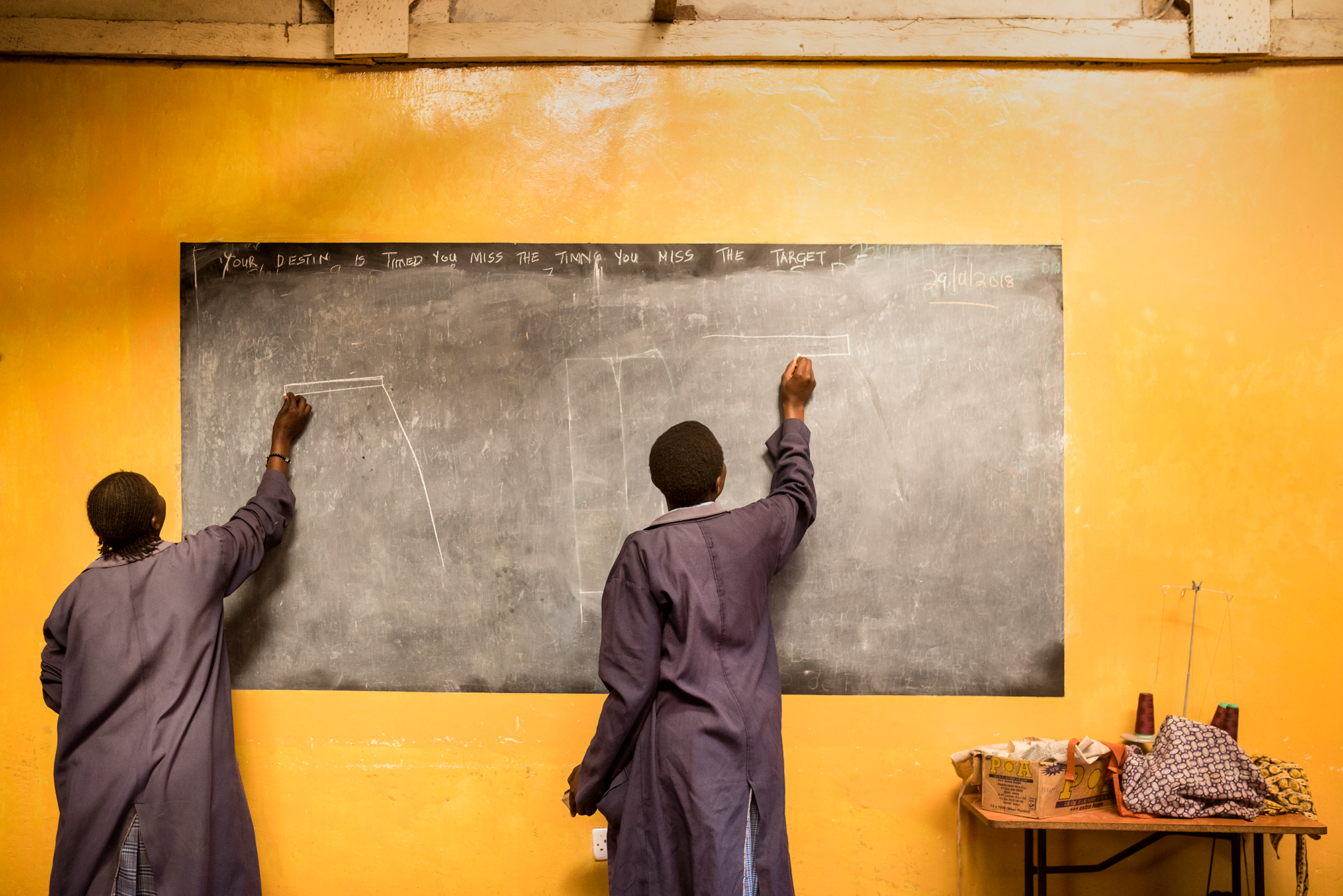
The Barriers Girls Face
According to the Kenya Demographic and Health Survey and the Kenya National Bureau of Statistics, only about one in three women ages 15–49 in Neema's region complete secondary school. Among women who have attended school, only 1.6% of those living in rural Kenya go on to complete university. While many children begin primary school, the path to graduation narrows dramatically as they grow older.
For girls, the barriers are even greater.
As students enter secondary school, costs increase and family resources become stretched. Although the Kenyan government has introduced programs to support the transition from primary to secondary school, many families still struggle to cover the remaining costs. When difficult decisions must be made, girls are often the first to be pulled from school. Cultural expectations can place greater value on their work at home: caring for younger siblings, managing household chores, or helping earn casual income.
Research conducted in 2025 explored the factors that push women out of school. 42.5% of those who had to drop out did so due to lack of school fees or needing to work. Another 42.5% of women who dropped out did so due to pregnancy, marriage, or childcare responsibilities.
Leaving school can set off a chain reaction that is difficult to escape. UNESCO and other education researchers have documented how girls who are no longer in school are more vulnerable to early marriage and pregnancy, while opportunities for stable employment become increasingly limited.
Yet most young women never wanted to leave in the first place.
Among girls who dropped out of school, 88.3% wished they could have continued their education, and more than half still hope to return. For young mothers, however, the obstacles can feel overwhelming. Research published by the Center for Reproductive Rights and BMJ Public Health found that despite policies supporting school re-entry, nearly 90% of adolescent mothers never return to school because of stigma, childcare responsibilities, learning gaps, and the emotional stress of trying to start over.
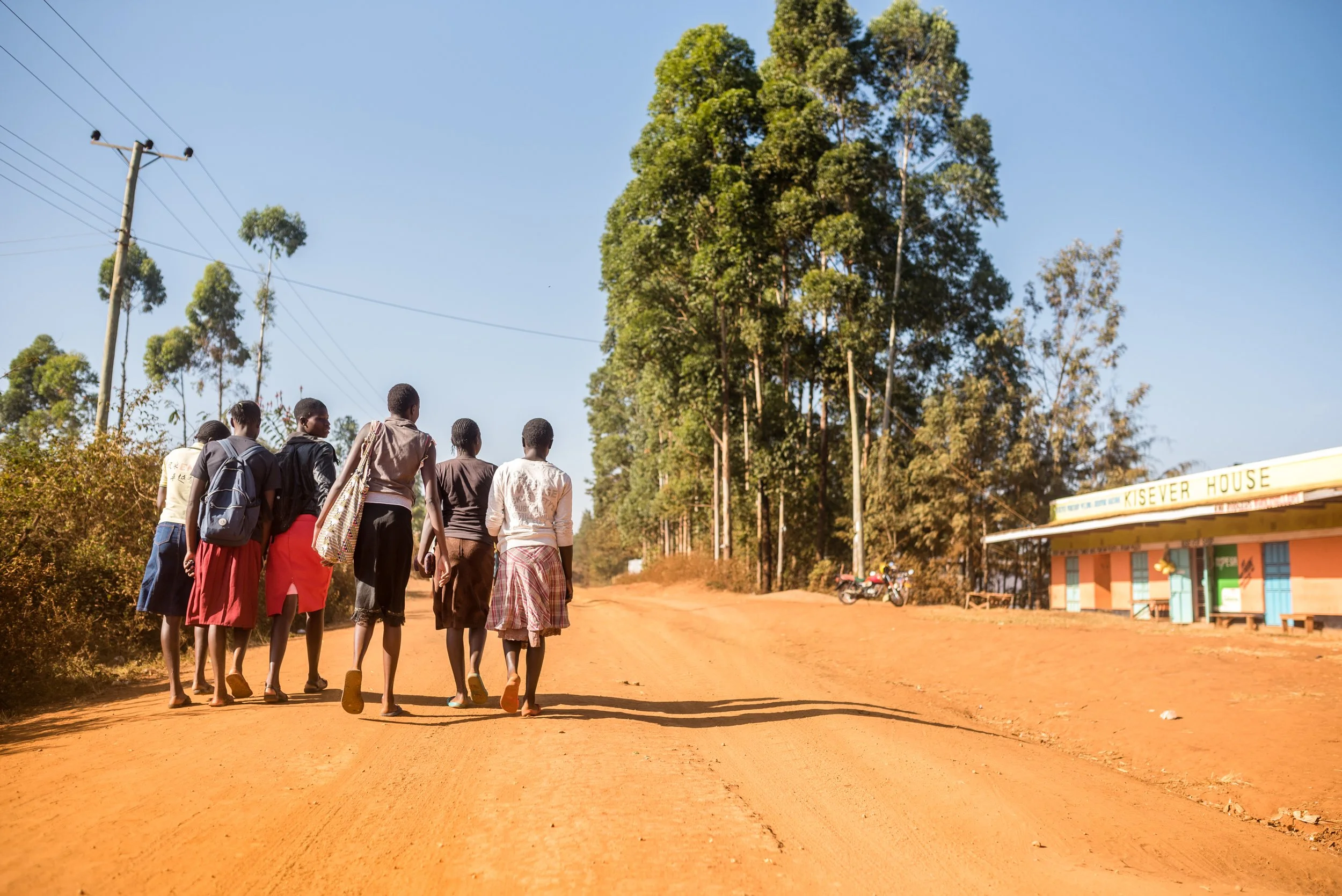
Certified Vocational Training: A Second Chance
That is where Neema enters the story.
At Neema, young women like Idda receive more than vocational training. They receive the opportunity to continue the education they thought they had lost forever. With safe housing, counseling, childcare, nutritious meals, and nationally recognized skills training, students can focus on building a future instead of worrying about how they will pay school fees or care for their children.
Education changes everything.
According to the World Bank, each additional year of education can increase a young woman's earnings by approximately 14.5%. Women who complete secondary education are more likely to find stable employment, make informed decisions about their futures, and avoid repeat early pregnancies. Their children are also more likely to experience better health and educational outcomes.
Today, Idda's story looks very different.
Through Neema, she earned nationally recognized certificates that helped her secure employment with a large local company. She currently works as a janitor and is learning computer skills that could open doors to even greater opportunities in the future.
The impact extends beyond her own life.
Her daughter dreams of becoming a doctor. Because Idda was given a second chance at education, that dream now feels possible.
Every year, Neema welcomes young women whose educational journeys were interrupted by poverty, pregnancy, family challenges, or circumstances beyond their control. By providing training, childcare, counseling, and practical support, Neema helps them rewrite their stories.
Will you help provide a second chance for another young woman like Idda?