
A Golden Chance: Why Education Matters This International Women’s Day
Today is International Women’s Day, created to commemorate women’s fight for equality and liberation, and a call to action for the continued advocacy of women's rights.
Among these rights is the right to education. And yet, for many facing extreme poverty, schooling is simply not within reach.
The issue at hand is stark. Less than 25% of women in rural Kenya who begin their schooling actually complete high school.
While primary education is free, families must still pay for school supplies, uniforms, and other necessary costs that make attending school possible. The cost to send a child to secondary school is on average $1.30 per day—at a time when many families make less than $2 per day, and 38% of individuals in rural Kenya live in poverty.
For families forced to choose between putting food on the table and supporting a child’s education, schooling can quickly become a luxury. When resources are limited, girls are often the first to lose the opportunity to continue their studies. For many young women, that decision can alter the entire trajectory of their lives.

Diphinah poses in Neema’s residential building.
The solution is not exactly simple. Poverty is complex and opportunities for growth are limited. But sometimes, change can begin with one single opportunity: a golden chance.
Meet Diphinah, a 16-year-old and one of Neema’s proud students.
Diphinah has six siblings. Her father left the family and remarried, and they no longer know where he is. Her mother struggles with mental illness and is unable to provide for the family. For a time, Diphinah lived with a neighbor as her family tried to navigate these hardships.
Diphinah attended primary school, but living in extreme poverty eventually forced her to drop out because she could not afford the school supplies needed to continue her education.
Like many girls facing financial hardship, Diphinah stepped into difficult circumstances at a young age. Instead of focusing on lessons and exams, survival and uncertainty became part of her daily reality. Her dream of completing school began to feel out of reach.
But Diphinah was fortunate. She was given an opportunity to begin again.
In January 2024, Diphinah joined the Neema program. During her time there, she completed training in tailoring and dressmaking and successfully passed her national entry-level certification exam in December.
Diphinah walks the runway at Neema’s annual Fashion Show.
Diphinah celebrates with her family after walking the runway.
Reflecting on what this opportunity meant for her, Diphinah shared:
“I want to really thank Neema for giving me a chance to continue with my education. I didn't know if I would have been able to join school again from my home situation. I have learned how to pray, socialize well, handle misunderstandings, and [have gained] tailoring skills. I am honored to get another chance to complete my primary school level… My dream was cut short since I could not continue with school any more. But Neema has given me hope. Now I can dream again.”
In January 2025, Diphinah returned to school in Grade 7 to continue her primary education while living at Neema, where she receives counseling, discipleship, skills training, and support in her studies.
She shared simply, “I am grateful for everything Neema is doing for me and I promise to stay focused and to continue making good use of this golden chance.”
Her teachers have already seen the difference this opportunity has made.
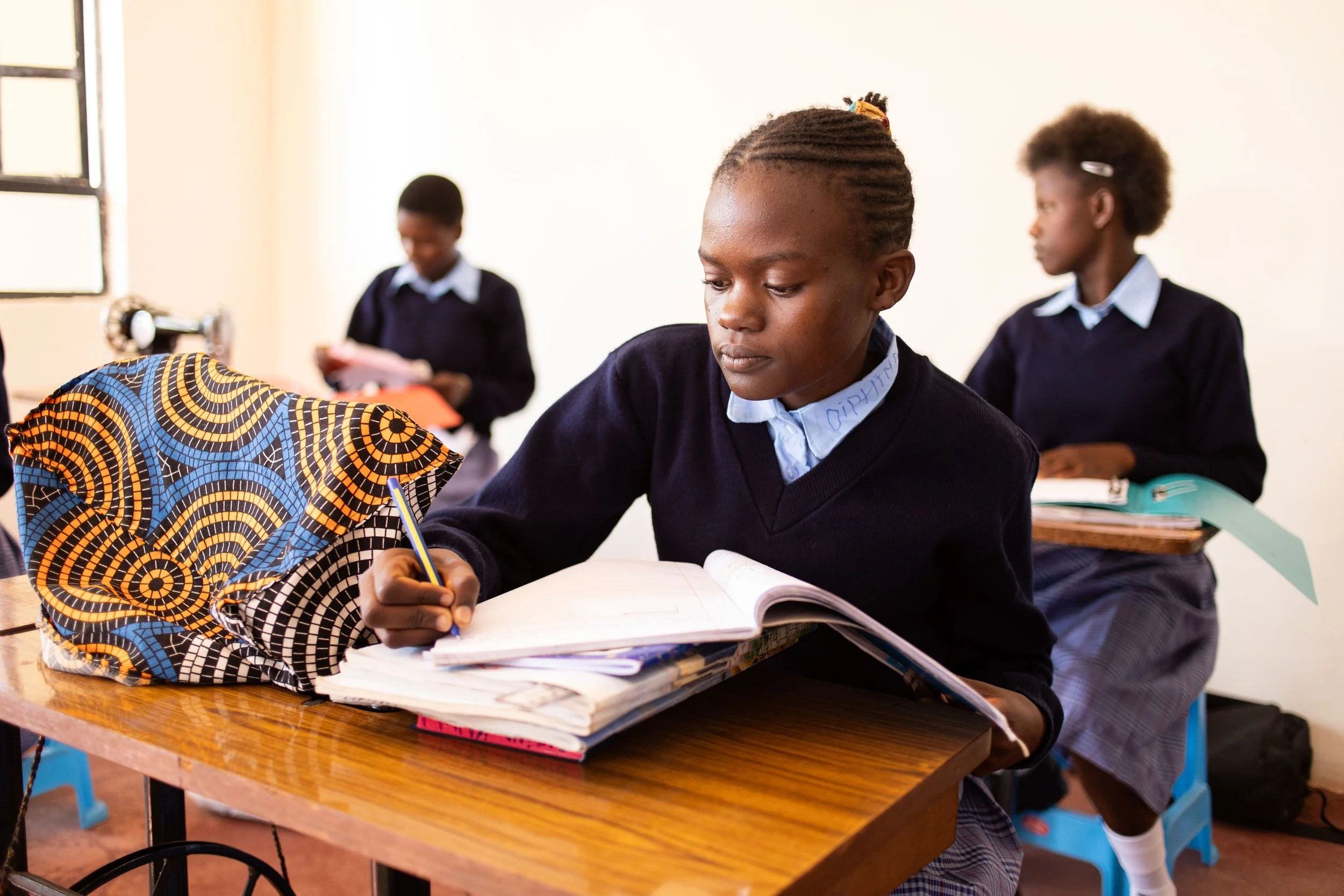
Diphinah works in the classroom.
Diphinah recently proudly shared her school report after improving in most of her subjects. She had set academic goals for herself at the beginning of the term and was proud to achieve them. Today, she says she loves being in school and enjoys learning.
Sometimes, school fees are not the only barriers that keep someone trapped in poverty. Repeated hardship and difficult family circumstances can slowly erode hope, causing girls to lose sight of their abilities and their futures. That is exactly what Neema restored for Diphinah — her hope.
So, what is a golden chance?
It is the simple moment a girl realizes her story is not over. It is the restoration of hope. The opportunity to return to a classroom after believing you never would again. It is the confidence to dream beyond just survival.
And Diphinah is making the most of hers.
This year, she is continuing her studies in Grade 8 at a local public school while remaining at Neema, where she will keep receiving guidance, counseling, and training as she works toward building her future.
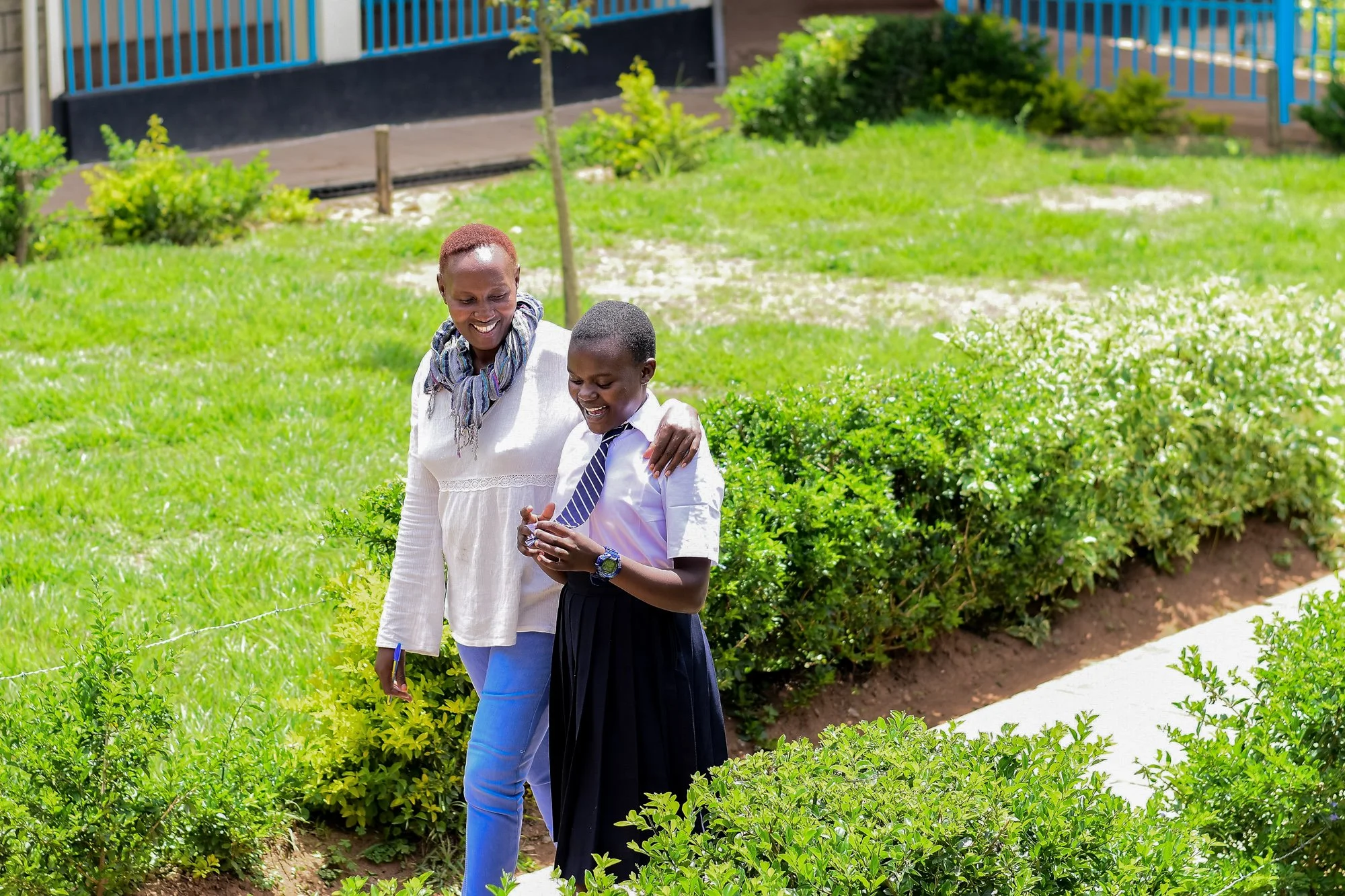
Diphinah walks with Pamela, one of Neema’s counselors.
On International Women’s Day, we celebrate the progress women have made across the globe. At the same time, we are reminded that the work of equality continues in very practical ways. It unfolds in classrooms, in counseling sessions, in vocational training programs, and in safe spaces where young women are encouraged to believe in their potential. Real change often begins with providing tangible opportunities that allow one girl to stay in school and finish what she started.
For Diphinah, that opportunity looks like a desk in a classroom, new goals for her studies, and the chance to continue pursuing the education that once seemed impossible. Her golden chance has given her more than an education—it has renewed her belief in what is possible.
Many other girls are still waiting for that opportunity. Through Neema, students receive guidance, counseling, skills training, safe housing, and daily support that make lasting transformation possible.
By joining Neema’s sponsorship program as a Grace Partner, you can walk alongside a student throughout her three-year journey of healing, education, and empowerment. Your monthly support helps provide education, counseling, safe housing, and essentials, directly helping to restore her hope for a brighter future.
Diphinah was given a golden chance. And with your support, we can help more girls continue turning their dreams into a reality.
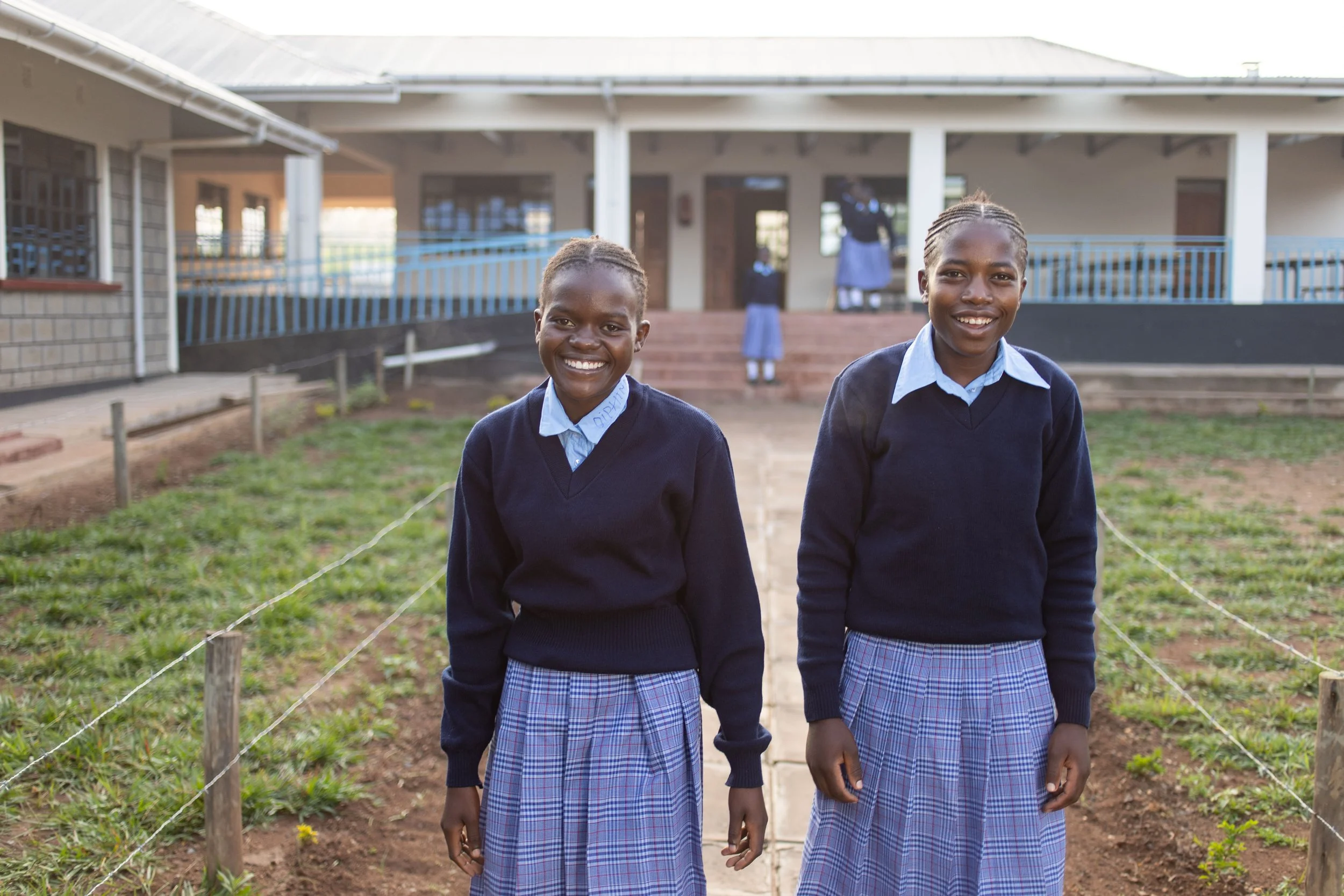
Diphinah spends time with Rosemary, another student at Neema.