Tuberculosis Outbreak at Neema
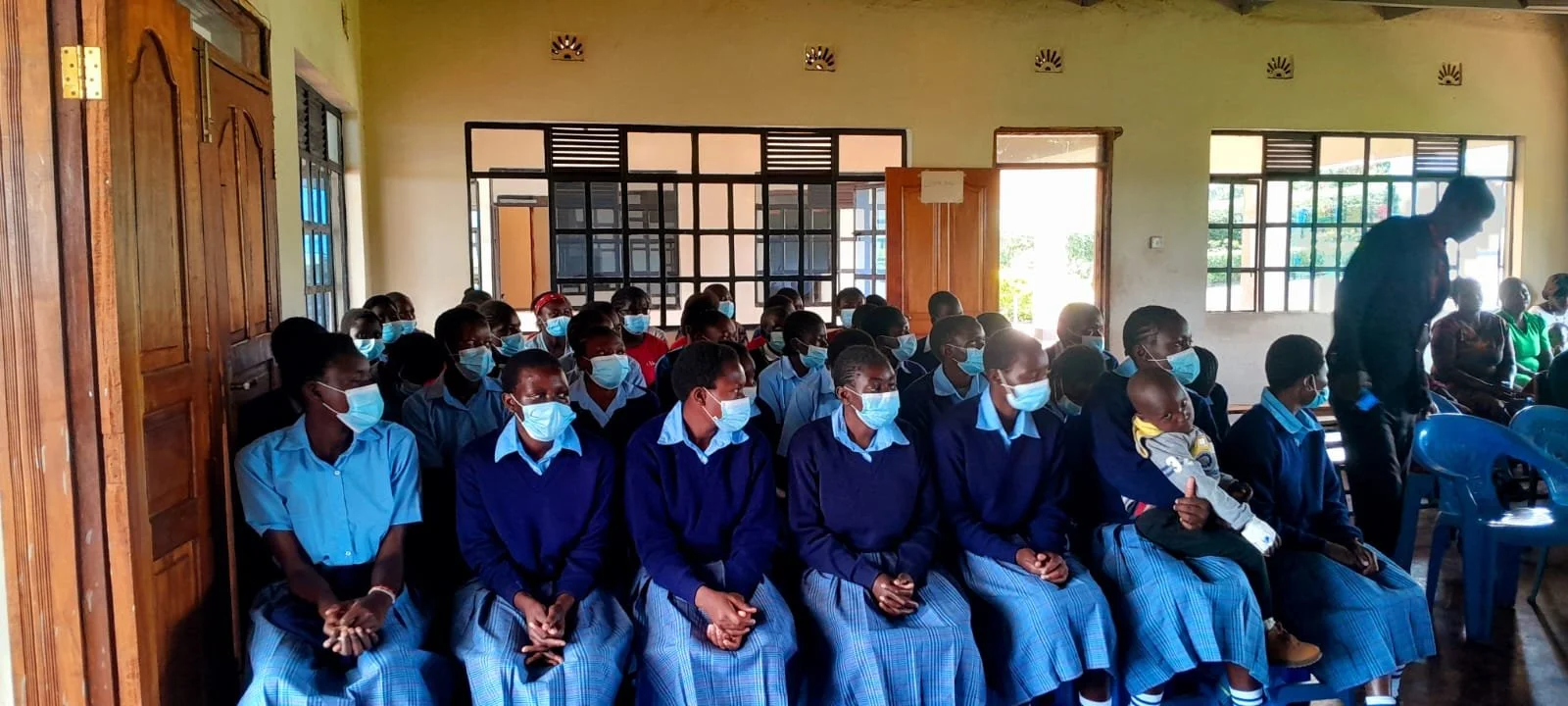
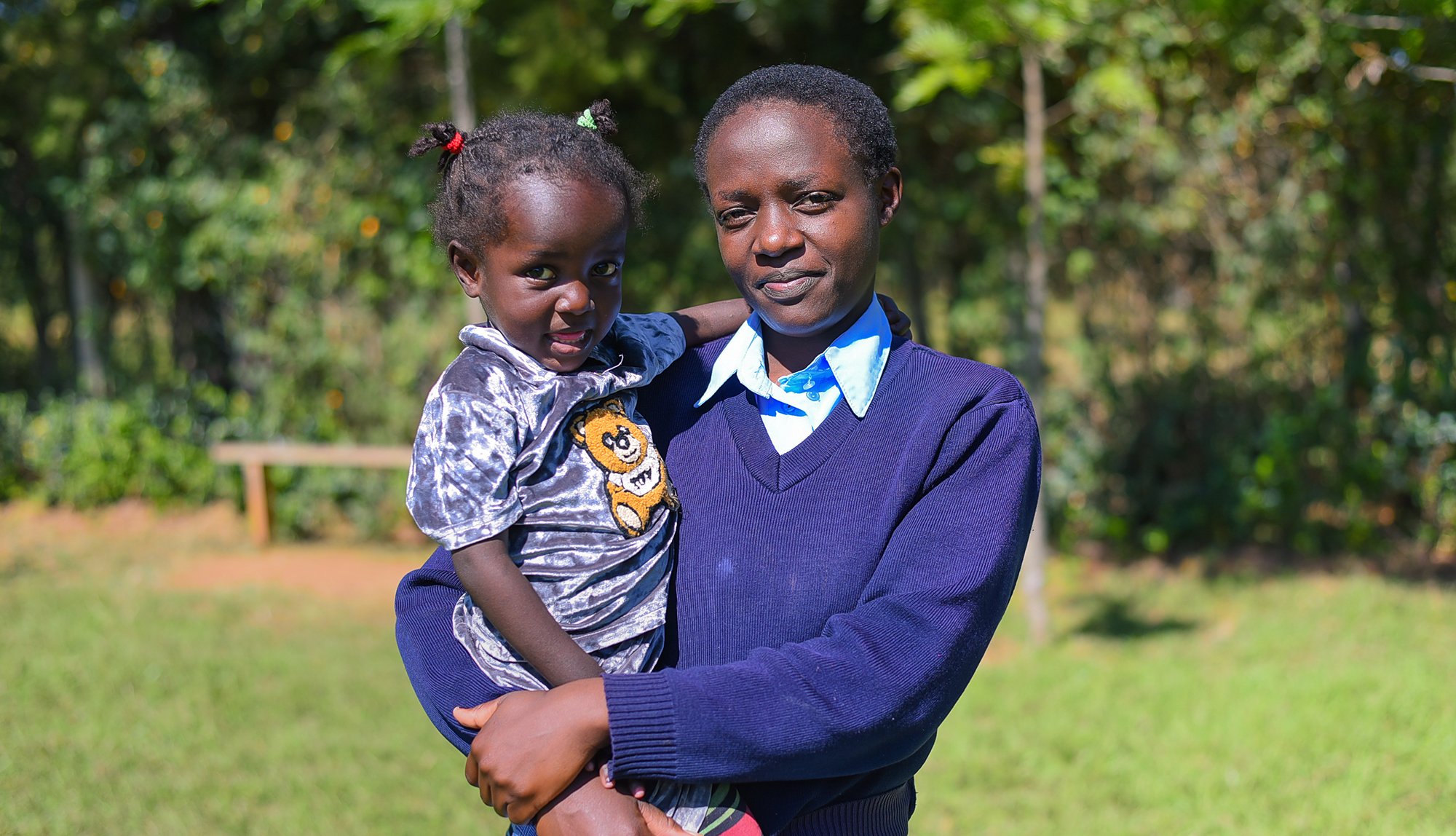
Recently an X-ray revealed that one of our first-year students has tuberculosis (TB), a contagious infection that primarily attacks the lungs. The young woman had taken her toddler for a regular check-up at the local dispensary where the nurse noticed her cough. Read to see how we’re supporting the young women and children affected, and where we would love your help.
Read More
A Golden Chance: Why Education Matters This International Women’s Day
Today is International Women’s Day, created to commemorate women’s fight for equality and liberation, and a call to action for the continued advocacy of women's rights. Among these rights is the right to education. And yet, for many facing extreme poverty, schooling is simply not within reach. For families forced to choose between putting food on the table and supporting a child’s education, schooling can quickly become a luxury. When resources are limited, girls are often the first to lose the opportunity to continue their studies. For many young women, that decision can alter the entire trajectory of their lives.
Read More
“I asked myself, ‘Why can’t I change my own future?’” — Yvonne's Story
Yvonne didn’t believe in herself at first. Yvonne is one of seven children. Her father is physically disabled, and although her mother tries to provide, the family lives in extreme material poverty. Wanting to contribute, Yvonne dropped out of school to look for odd jobs. Then she became a mother at just 17, but her boyfriend abandoned them; and her daughter was sickly. Parenting felt overwhelming, yet another burden to shoulder.
Read More
Maria’s Story of Transformation
Maria* was still a young teenager when she discovered she was pregnant. Her pregnancy unfortunately meant the end of school; without reliable support from the baby's father or her family, the idea of continuing education while raising a baby seemed impossible. It was at this time in her life that she heard about Neema’s program for young women — including teenage mothers. At Neema, Maria began working through her shame and pain, found peace in her role as a mother, and ultimately fell in love with her daughter.
Read More
Naomi's Story of Resilience to Give Her Son a Brighter Future
At the crack of dawn, girls like Naomi fetch water from communal wells, tend to crops in the fields, and prepare for their trek to school. But growing up as a girl in rural Kenya requires resilience.
Read More
Lilian's Opportunity to Help Her Family
“We wanted Lilian to join Neema because we were not able to get her through education,” says Francis, Lilian’s father. “[My wife] Leah became very sick [last year], and [Lilian’s sister was already] ahead of her in school, so the financial strain made us decide to send Lilian to Neema instead of traditional school.”
After completing eighth grade of traditional school, Lilian had no choice but to drop out—with a total of six children and her mother unable to work, it was not feasible for the family to pay for school supplies to keep each child in school.
Read More
Graduation Day: Class of 2023
The highlight of the day was when the graduates stood to share. It was very emotional and touching to see each of them acknowledge that they were not the same as they were before they joined Neema, but they were different and grateful for where they were from and where they have reached.
Read More
Sarah's Story: Lost Hope Restored
When she joined Neema in 2021, Sarah was shy and didn’t interact much with the other students. But through counseling and the encouragement from the staff and other students, she’s grown in social skills and has become jovial and active in class. More importantly, she developed an unconditional love for her son. Sarah says that she can now see a future, and her lost hope is restored.
Read More
Susan learns skills to operate two businesses
At the age of sixteen, Susan had to drop out of school because living in extreme material poverty left her parents unable to pay for the necessary school supplies and uniform. Her father is polygamous and lives with his first wife and children.
Read More