Women’s Equality Day is celebrated every year on August 26 in the US. It’s a declaration of hope in full equality – which is still very much a work in progress. Despite many advances, women in Kenya and around the world still face significant barriers in social, economic, and political life.
“I have lived a very hard life, and I lost hope. But through today’s teaching, I have learned a lot. It has reminded me that I have value and I am important.”
When a student is sick or in pain, it affects everything. When her child becomes sick, it triggers additional worries. At Neema, compassionate medical care helps her keep moving forward.
Graduation is still months away, but third-year students like Rachel are already preparing for life beyond campus. Rachel joined Neema as a single mother of two. Over the last two years, she has learned to make peace with herself and cherish her children. Now in her final year, she divides her time between studying for advanced certifications and an internship in a local restaurant.
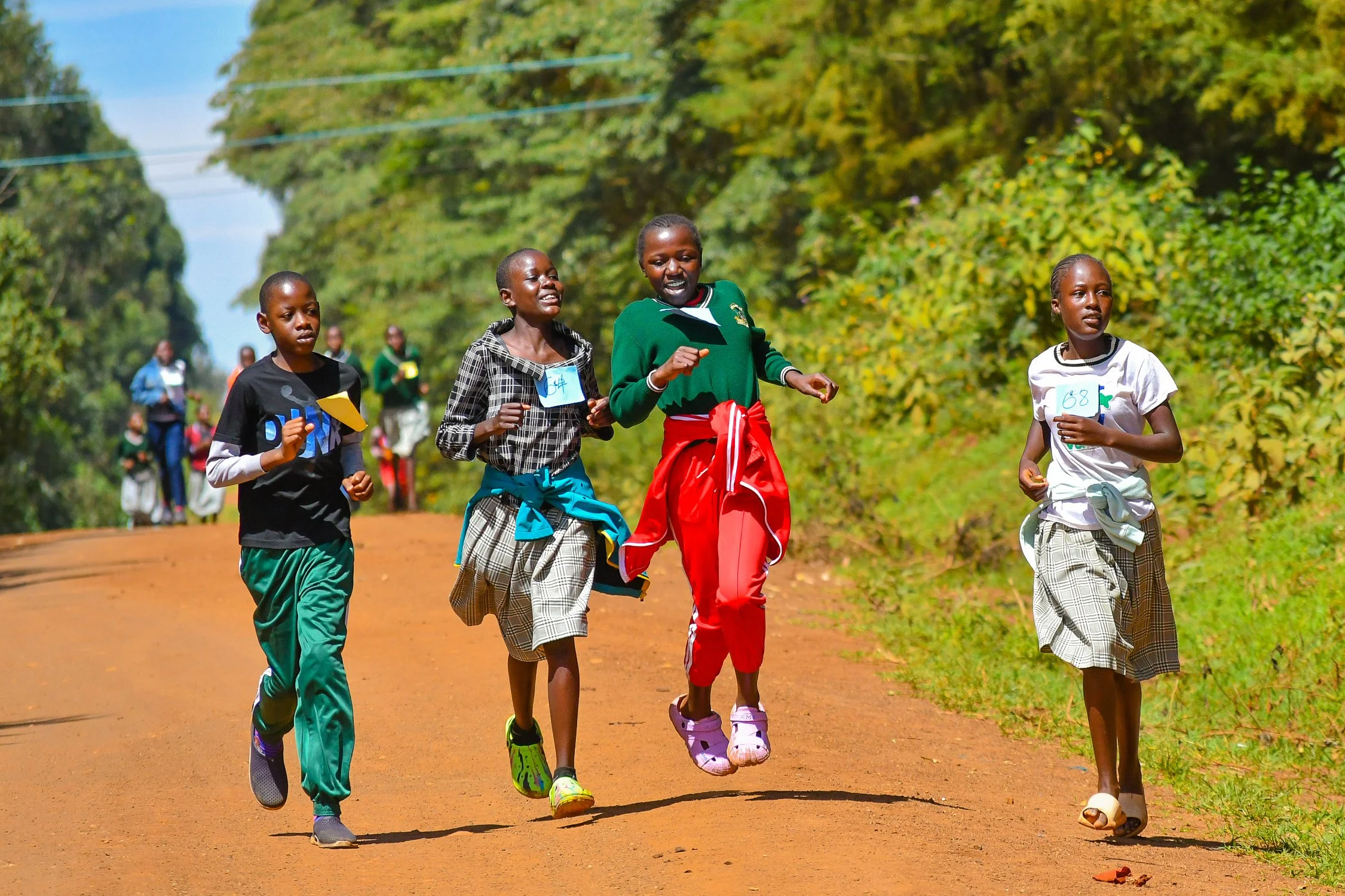
The Pamoja Run is an annual community event hosted by Neema to raise funds for trauma-informed counseling through community home visits, group counseling, and outreach programs in local schools. The event brings together hundreds of children from local schools, teachers, and community members to raise both awareness and support for youth mental health.
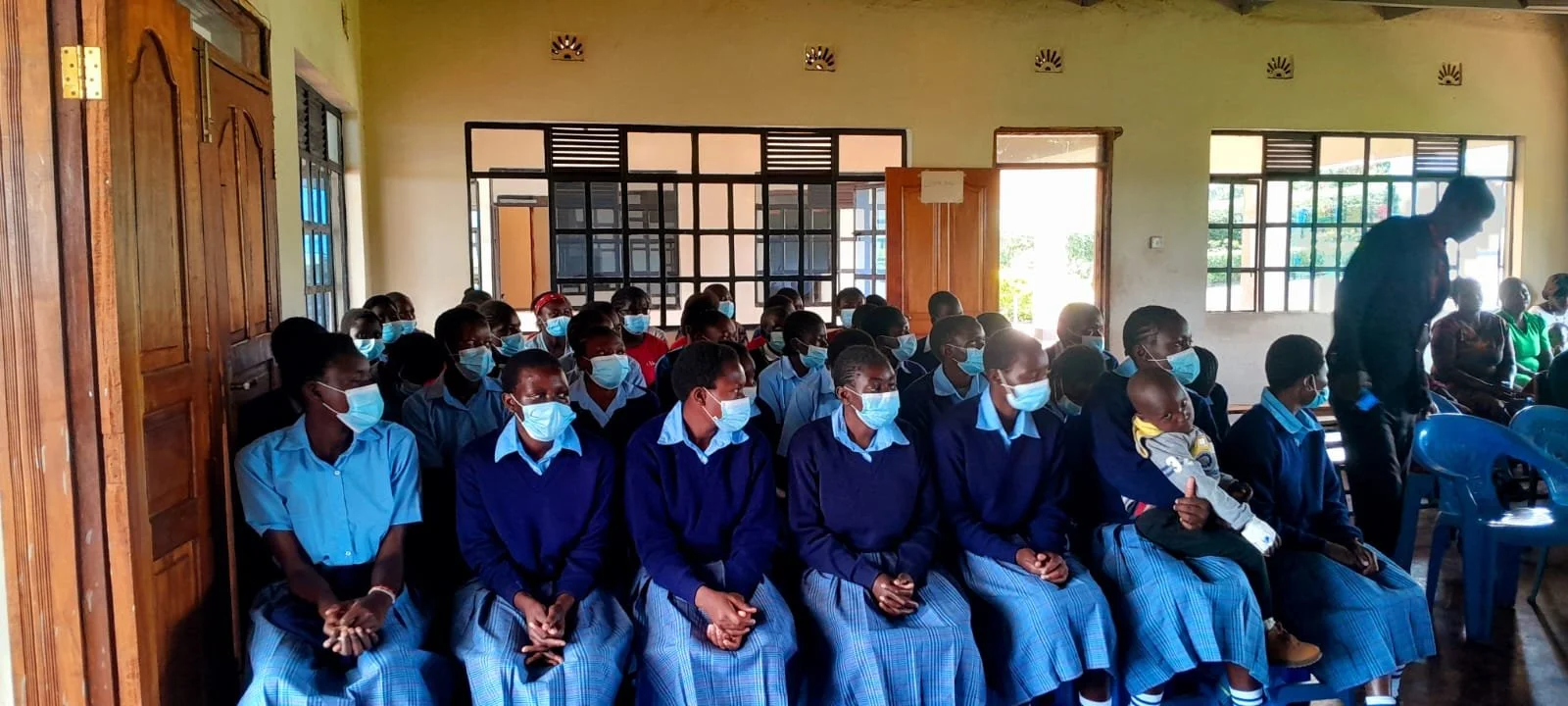
Recently an X-ray revealed that one of our first-year students has tuberculosis (TB), a contagious infection that primarily attacks the lungs. The young woman had taken her toddler for a regular check-up at the local dispensary where the nurse noticed her cough. Read to see how we’re supporting the young women and children affected, and where we would love your help.
Today is International Women’s Day, created to commemorate women’s fight for equality and liberation, and a call to action for the continued advocacy of women's rights. Among these rights is the right to education. And yet, for many facing extreme poverty, schooling is simply not within reach. For families forced to choose between putting food on the table and supporting a child’s education, schooling can quickly become a luxury. When resources are limited, girls are often the first to lose the opportunity to continue their studies. For many young women, that decision can alter the entire trajectory of their lives.
Yvonne didn’t believe in herself at first. Yvonne is one of seven children. Her father is physically disabled, and although her mother tries to provide, the family lives in extreme material poverty. Wanting to contribute, Yvonne dropped out of school to look for odd jobs. Then she became a mother at just 17, but her boyfriend abandoned them; and her daughter was sickly. Parenting felt overwhelming, yet another burden to shoulder.
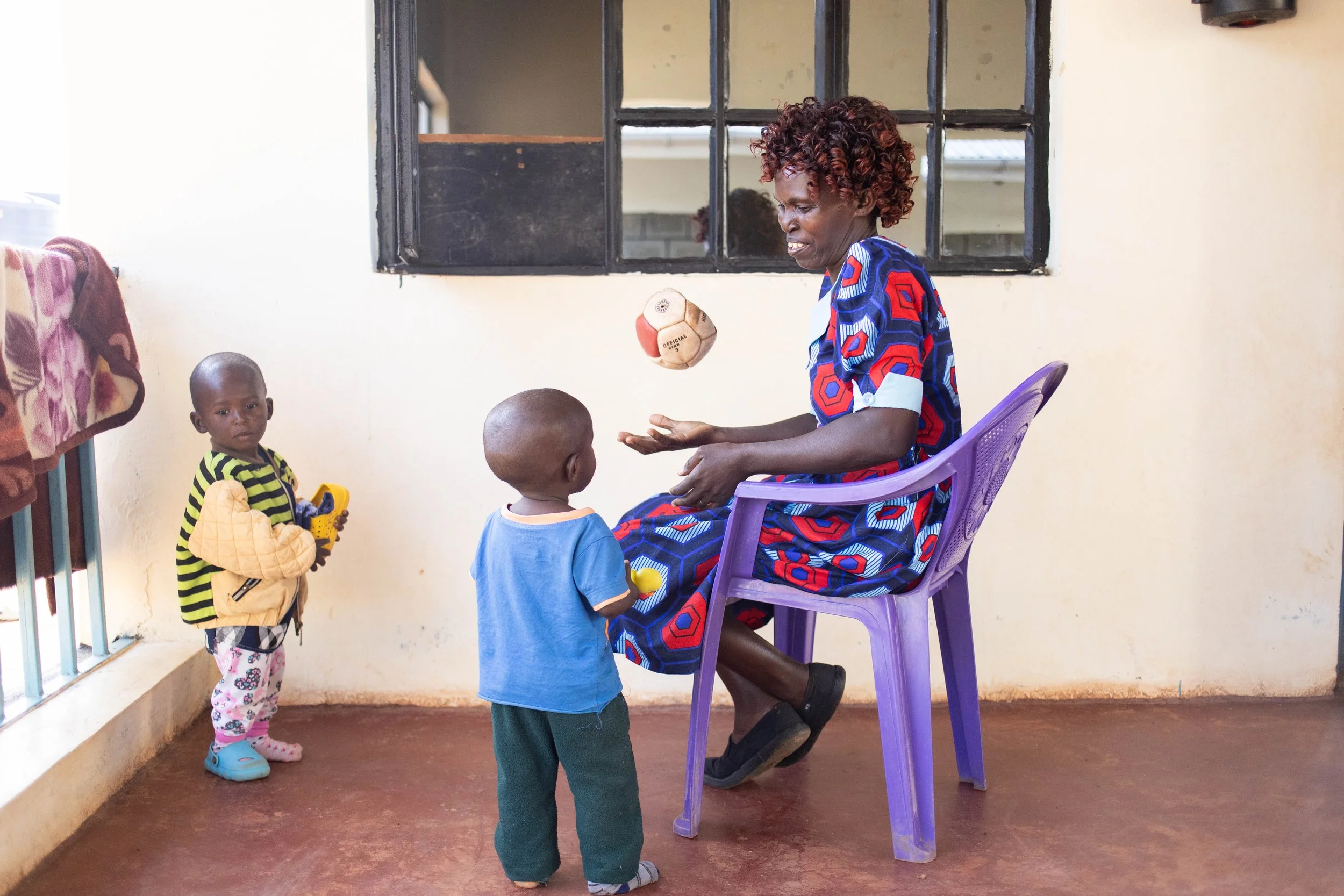
Gladys is one of Neema’s Weekend Matrons and also a Childcare Worker. As a matron, she works to assure the young women are healthy and doing their work throughout the day. As a childcare worker, Gladys makes sure the children are cared for during the day while their mothers are in class. Read her story!
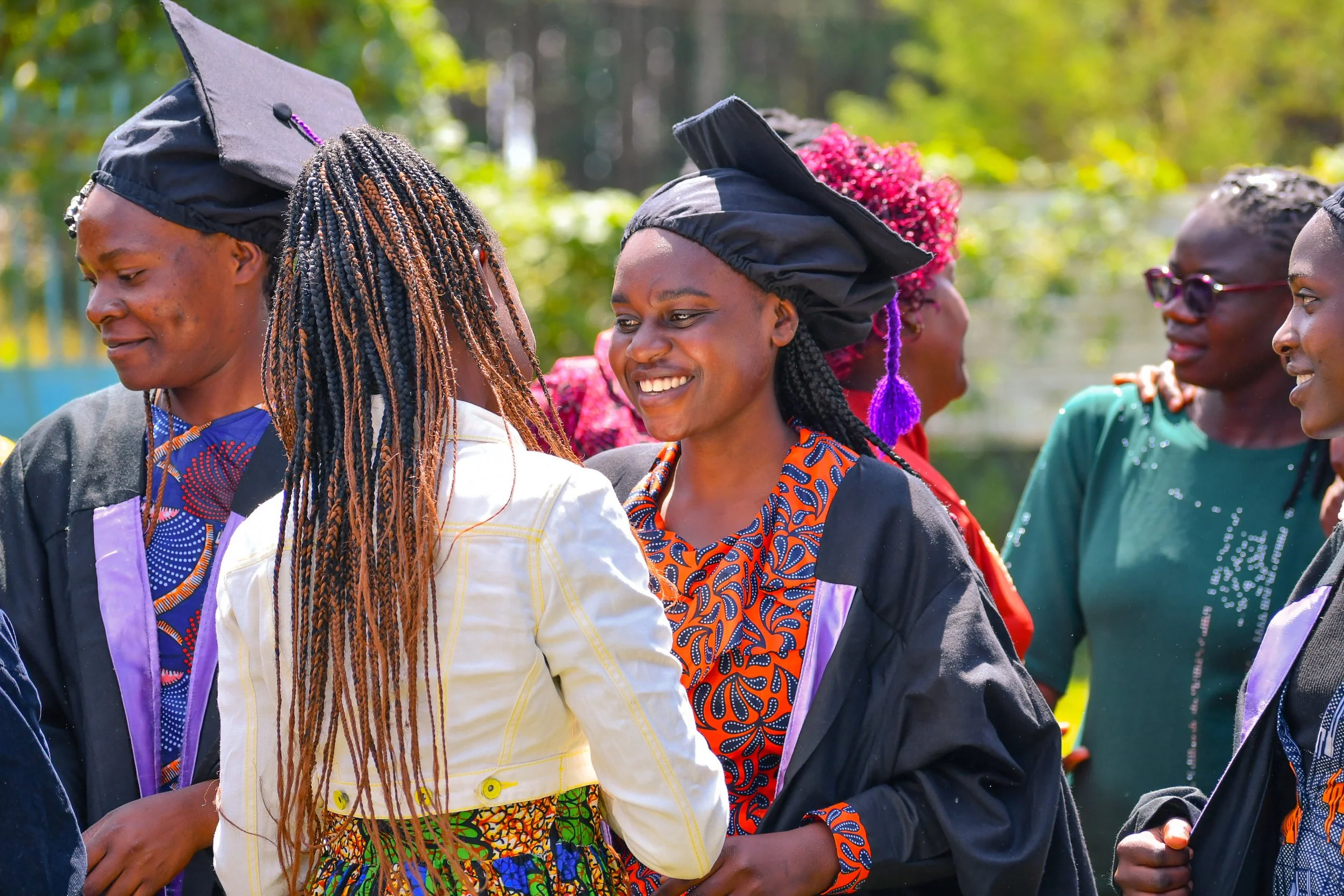
Earlier this week Neema celebrated the graduation of nine young women! It was a colorful day full of joy and excitement. Over 350 attended, including guardians, members of the local community, children, and Neema staff and students.
Maria* was still a young teenager when she discovered she was pregnant. Her pregnancy unfortunately meant the end of school; without reliable support from the baby's father or her family, the idea of continuing education while raising a baby seemed impossible. It was at this time in her life that she heard about Neema’s program for young women — including teenage mothers. At Neema, Maria began working through her shame and pain, found peace in her role as a mother, and ultimately fell in love with her daughter.
“This year has been the best of my life,” one student shared. “I feel proud as I see myself creating beautiful designs. After living most of my life in rejection and stress, this year has brought me hope. The fashion show made me believe in myself.”
“We thought we were only learning to make clothes, but we learned [so much more]—catering, making bags, how to pray,” Iddah says. “Today I’m a prayerful person. When we got stressed, we could go to counseling. Someone would talk to you and you would be okay. We learned how to live with others peacefully.”
In Neema’s region of Kenya, few girls finish secondary school. Many girls shoulder adult burdens—heavy domestic burdens, early marriage, and motherhood—before they’re grown. Unfortunately, when girls miss out on literacy and vocational training, they often struggle to afford schooling for their own children—passing poverty on to the next generation. That’s why skills training is so central to Neema’s vision to unleash opportunity for young women.
The trip taught me a lot more than I was expecting. It taught me to dance and sing without caring what other people think. It taught me how far confidence and hope can take you in life. It taught me to love and laugh so loudly that other people have no choice but to take part in it.
This summer, I left behind my day-to-day world as a suburban mother of four— a world of dance classes and laundry piles—to fly across the ocean, desert, and mountains and visit the world of Neema Project, a program for resilient young women in rural Kenya.
For the first time ever, we hosted a community run raising funds for mental health support for at-risk children and youth at the local school! We were blown away by the local and international support. Our team hosted an incredible event with over 300 school children participating. The counseling services that will now provide for hundreds at-risk children and youth! Thank YOU for making this happen.
Jackline works specifically in trauma-informed counseling because she sees that trauma pushes people to the edge. She works to help people find joy again as they heal.
In many rural Kenyan communities, Christian faith is familiar — but for young women, the opportunity to explore Scripture personally is often out of reach. With limited access to Bibles and education, their understanding of God is shaped more by secondhand messages than by thoughtful engagement, leaving them vulnerable to confusion or imbalance.
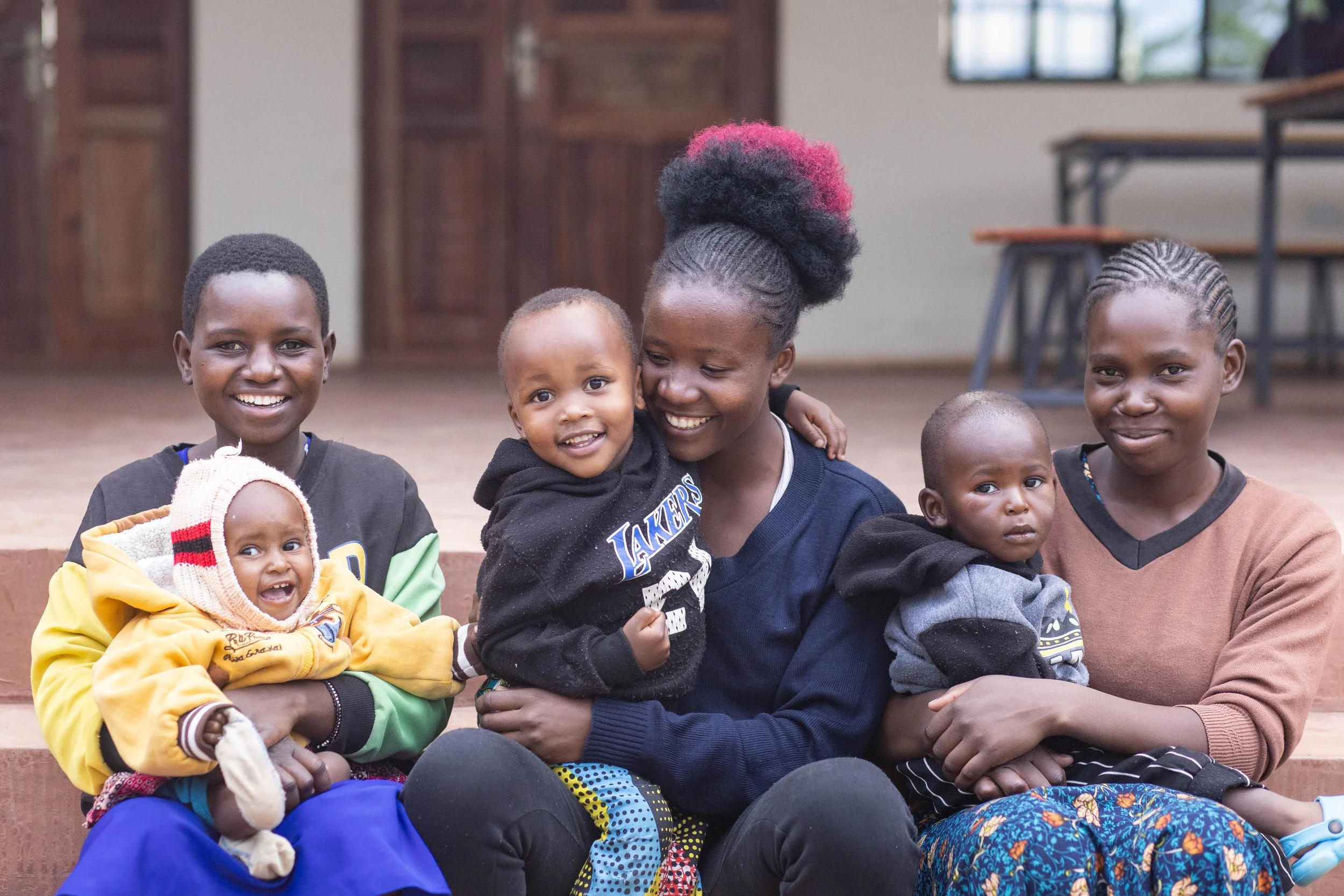
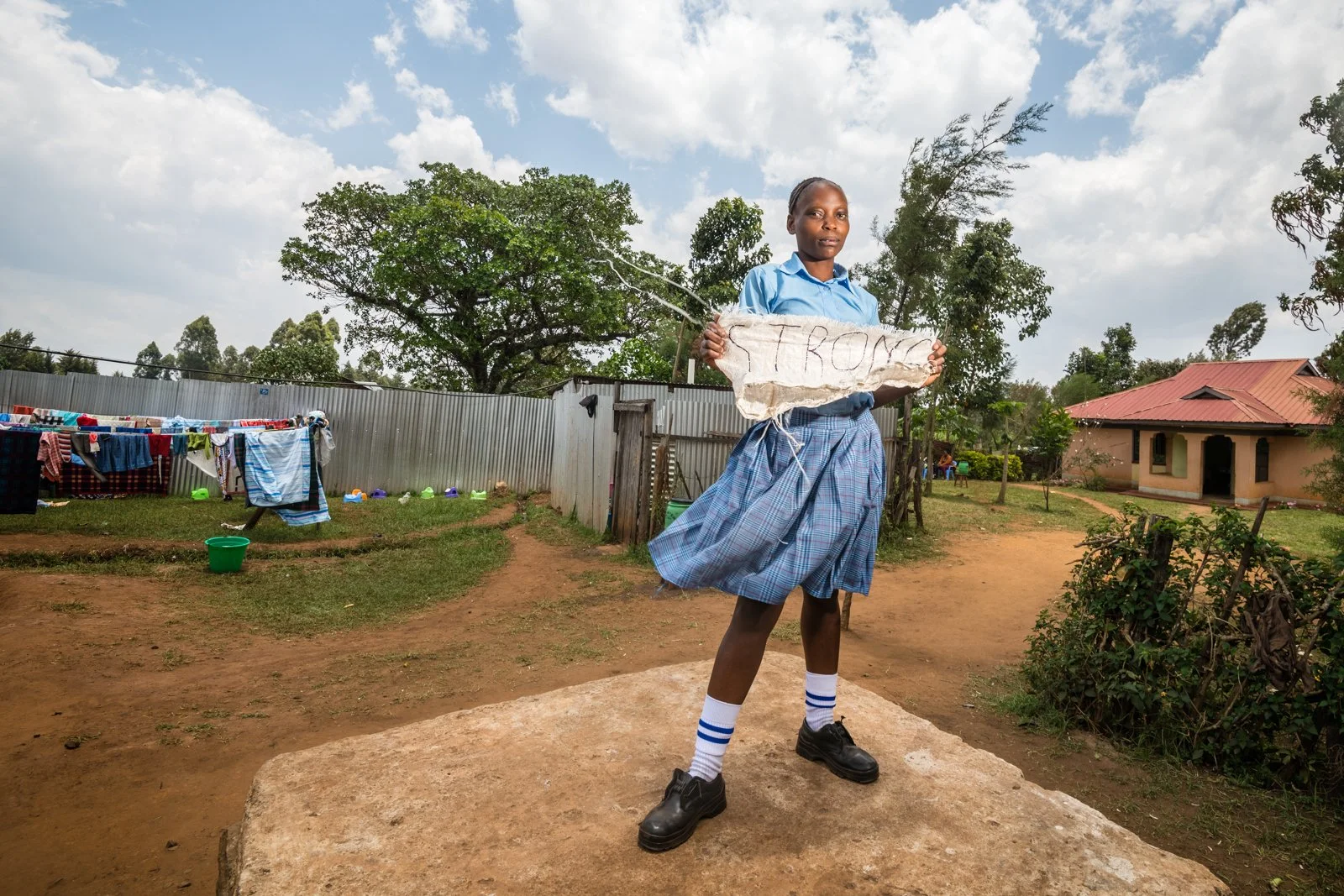
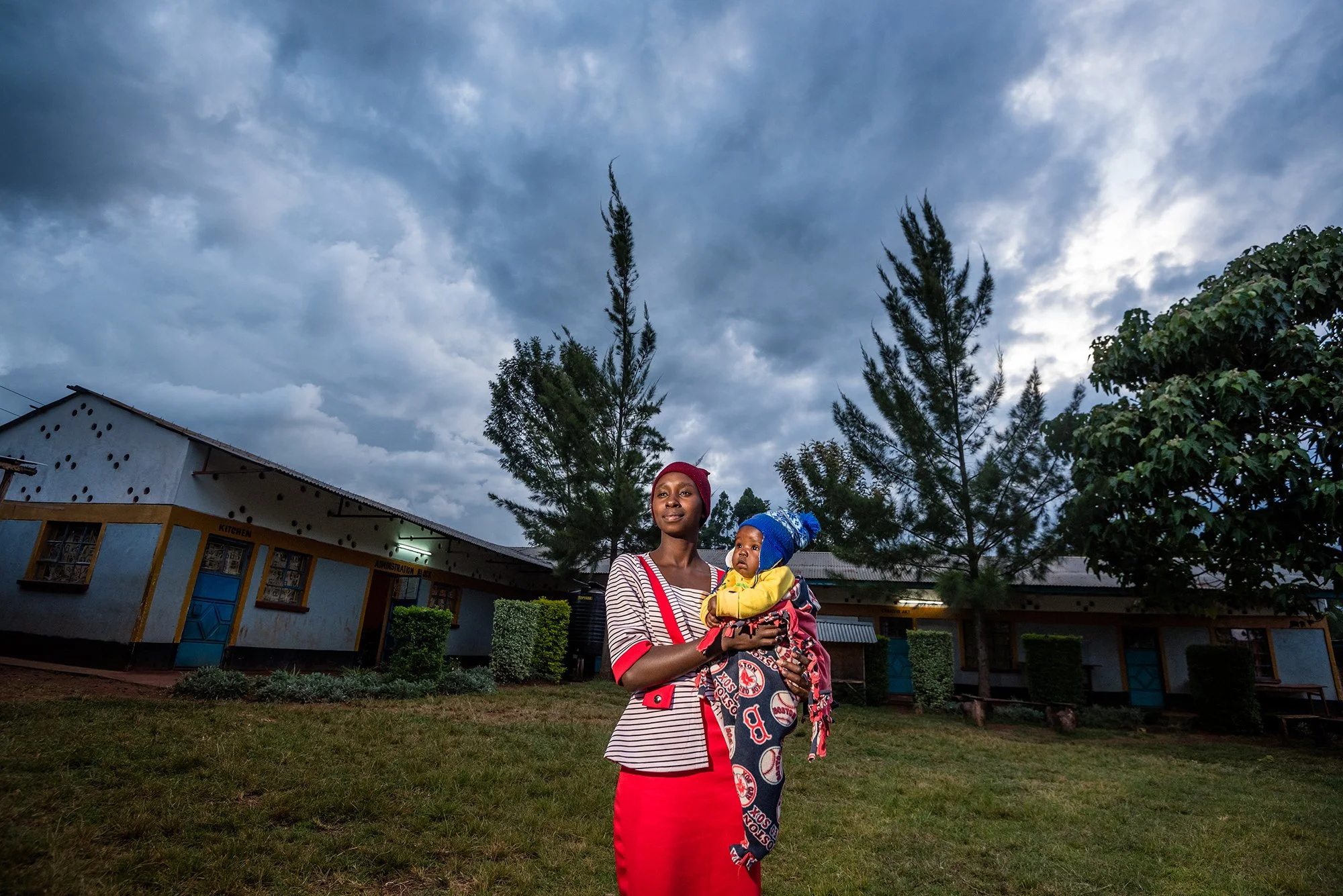
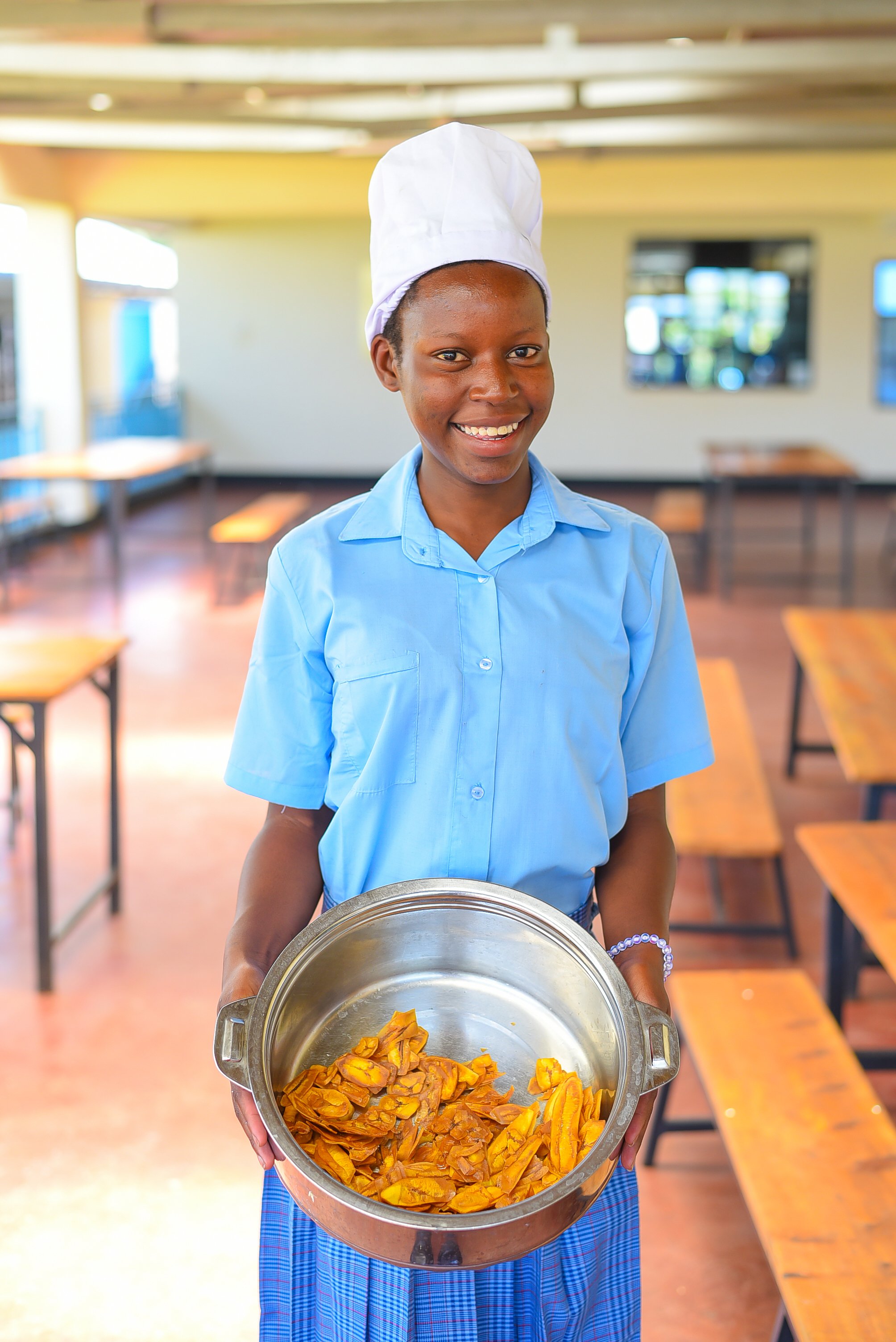

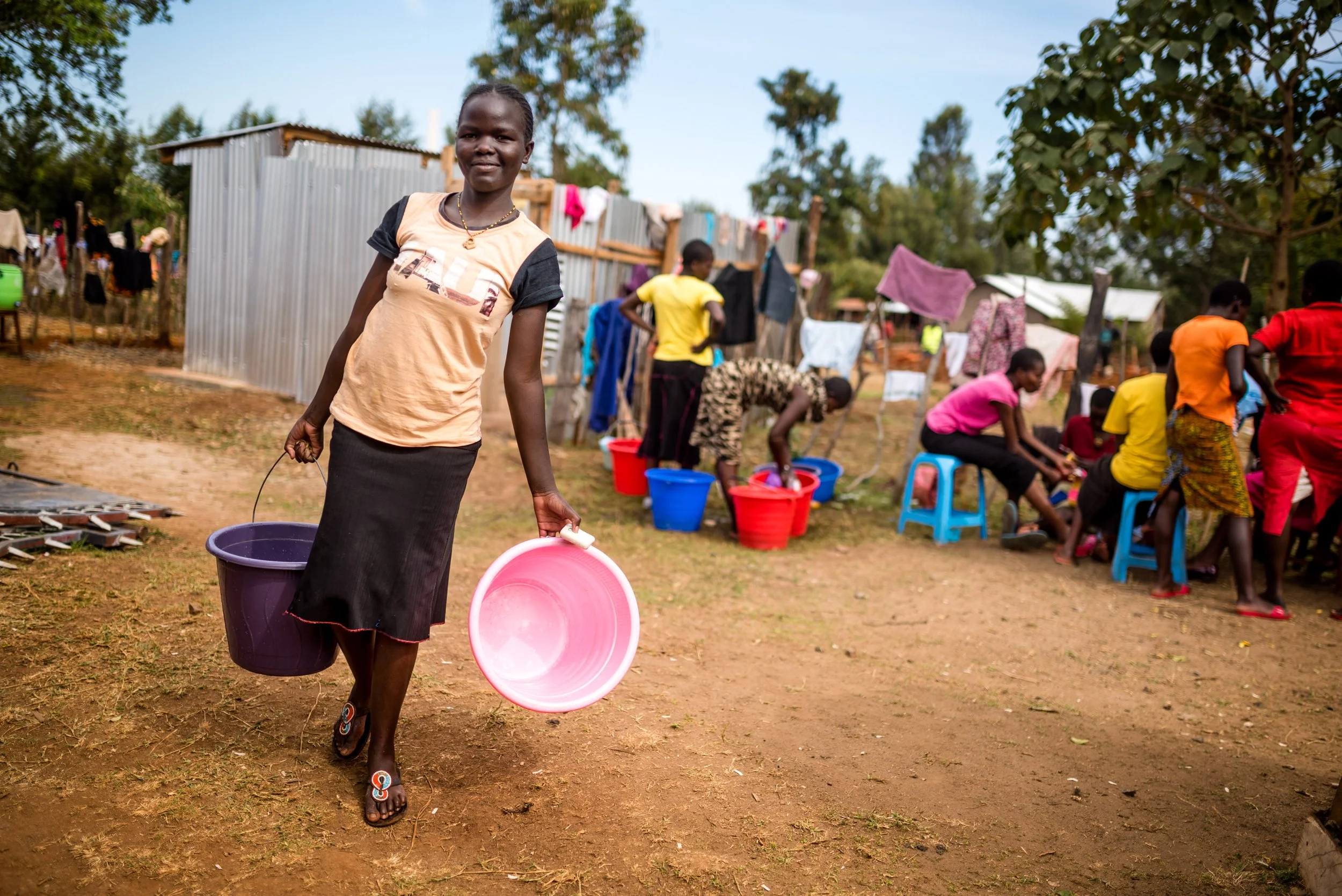


Yvonne didn’t believe in herself at first. Yvonne is one of seven children. Her father is physically disabled, and although her mother tries to provide, the family lives in extreme material poverty. Wanting to contribute, Yvonne dropped out of school to look for odd jobs. Then she became a mother at just 17, but her boyfriend abandoned them; and her daughter was sickly. Parenting felt overwhelming, yet another burden to shoulder.